Scottish Society for Prevention of Cruelty to Animals
Hide and SeekThe Scottish Society for Prevention of Cruelty to Animals is represented through an officer who joins police surveillance of a suspected dog-fighting site. The episode gives the organization a limited but concrete role in investigating reports of cruelty: its officer helps watch a makeshift arena, while the operation also exposes the uncertainty involved in interpreting a tip before the facts are known.
Identity and Role
The organization is identified in the scene through its officer, who works alongside Detective Constable Brian Holmes. The officer’s presence places the Society within a joint response to suspected animal abuse, although the account does not describe its wider structure, policies, or activities beyond this operation.
Surveillance of the Suspected Arena
The surveillance follows an anonymous tip about dog fighting. It is the third such report that month, though the first to prove a non-starter. In the preceding three months, several arenas had been found: small dirt pits enclosed by sheets of tin, often in scrap yards. Holmes had seen injured pit bull terriers at earlier sites, including animals so badly affected that a veterinarian had to give them a lethal injection. That history explains why the officers take the new report seriously.
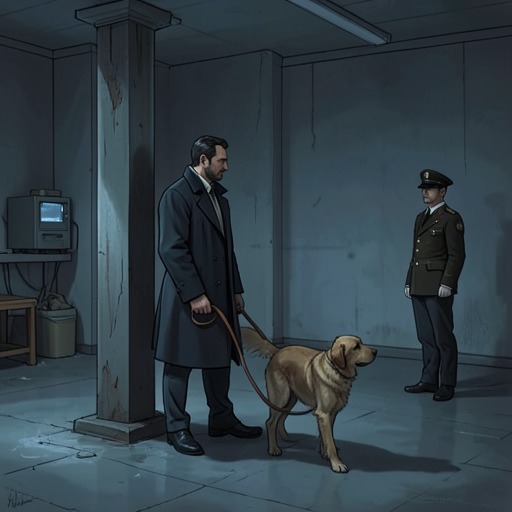
Before the night operation, Holmes and the officer had inspected the waste-ground pit in daylight, pretending to walk their own dogs, which were police dogs. They later hid near the site and watched as two men approached and entered the pit. The officer initially treated their arrival as confirmation that the tip had led them to the expected activity; Holmes recognized that the observation did not support a dog-fighting charge. The investigation therefore ends as a false lead rather than an animal-cruelty raid.
Narrative Significance
The scene connects the Society’s work to the novel’s wider picture of urban neglect and illicit activity, but it also distinguishes suspicion from evidence. The improvised pit and the officers’ earlier encounters with injured dogs establish the real cruelty behind the current wave of reports; the mistaken interpretation on this occasion shows why surveillance must test a tip rather than simply confirm it. The Society’s appearance remains brief, yet it anchors the dog-fighting threat in practical investigative work rather than treating it as rumor alone.